It’s a great opportunity to head out and see if you can spot a Whistling Kite, the bird species featured this month in the Goulburn Broken Catchment Management Authority’s Year of the Raptor community awareness campaign.
Goulburn Broken CMA project officer, Janice Mentiplay-Smith, said Australia is home to 36 raptor species with four of those being kite species that live in or visit the Goulburn Broken catchment.
“Of these four kites, the Whistling Kite (Haliastur sphenurus) is probably the most regularly observed in the Goulburn Broken catchment due to its signature piercing whistle that is followed or preceded by a series of rising notes,” Ms Mentiplay-Smith said.
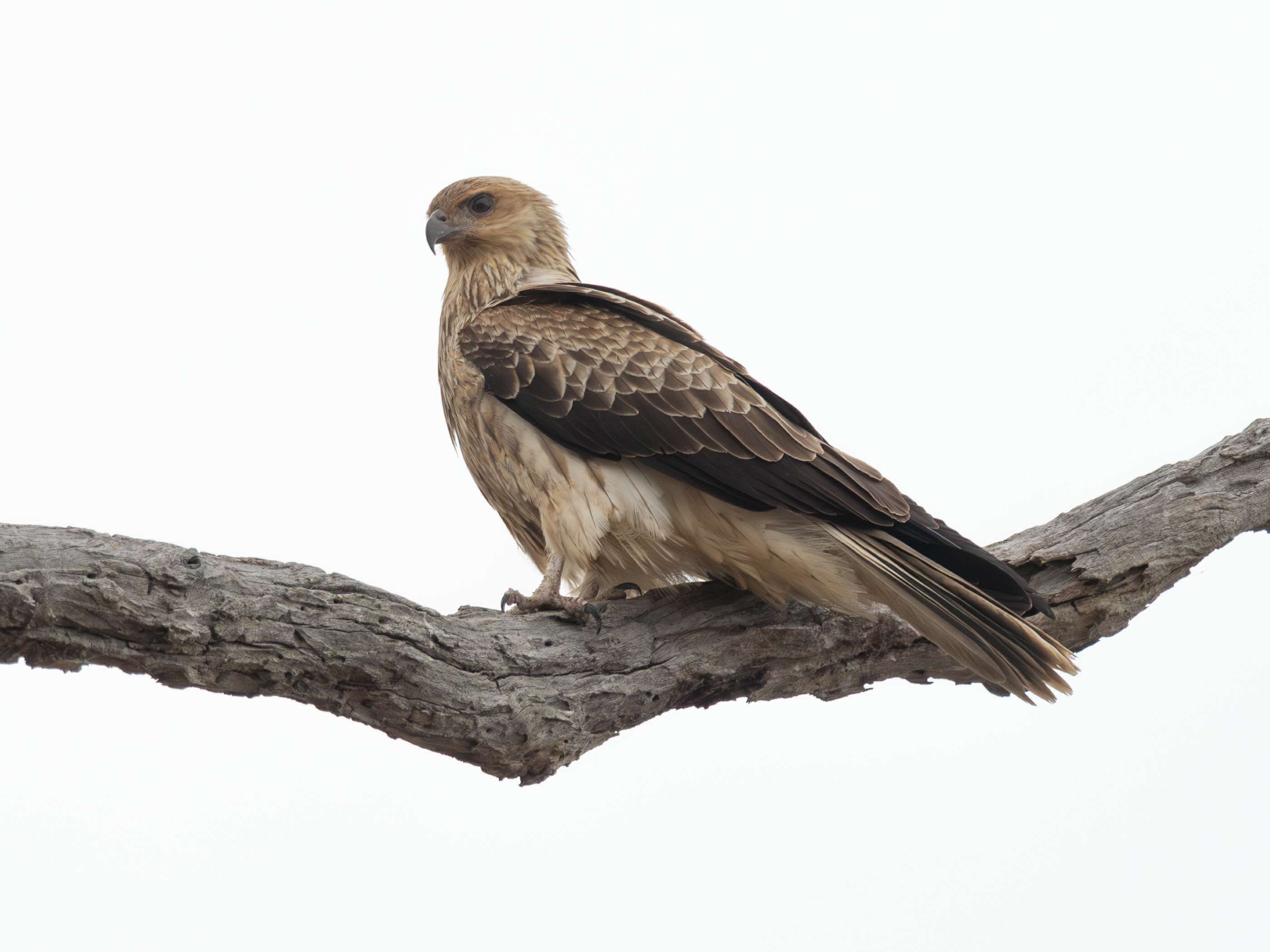 Whistling Kite by Jenny Younger
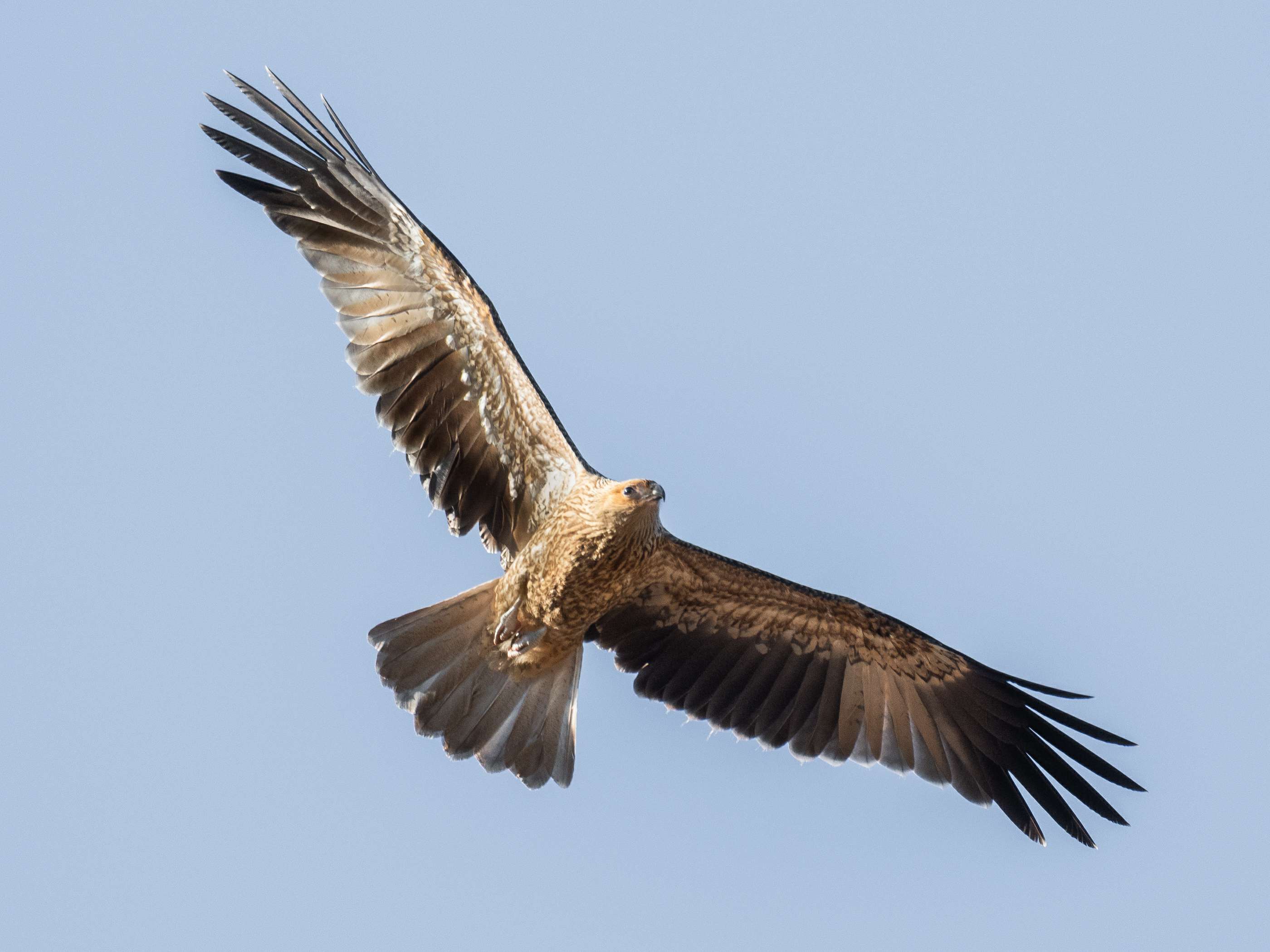 Whistling Kite by Jenny Younger
“As both a predator and a scavenger, the Whistling Kite has an important environmental role. It helps to control populations of small animals, especially rabbits and cleans up dead animals.
“Ever resourceful and opportunistic, the Whistling Kite readily engages in kleptoparasitism, whereupon it steals food from other birds and is a regular visitor to crop-stubble burns and grassland fires, as fleeing critters make for an easy ‘swoop and grab’ snack.
“During the non-breeding season, it generally scavenges its meals and feeds from roadkill, however when breeding season arrives, it prefers its food live and fresh. Rabbits, birds, insects, reptiles, small mammals and even fish are all fair game on the Whistling Kite menu.”
Each anatomical feature of the Whistling Kite is for the purpose of conducting a fruitful hunt. Its broad wings allow for efficient soaring and gliding which enables it to search large areas for food and its sharp talons and hooked beak are finely tuned for capturing and consuming a variety of prey.
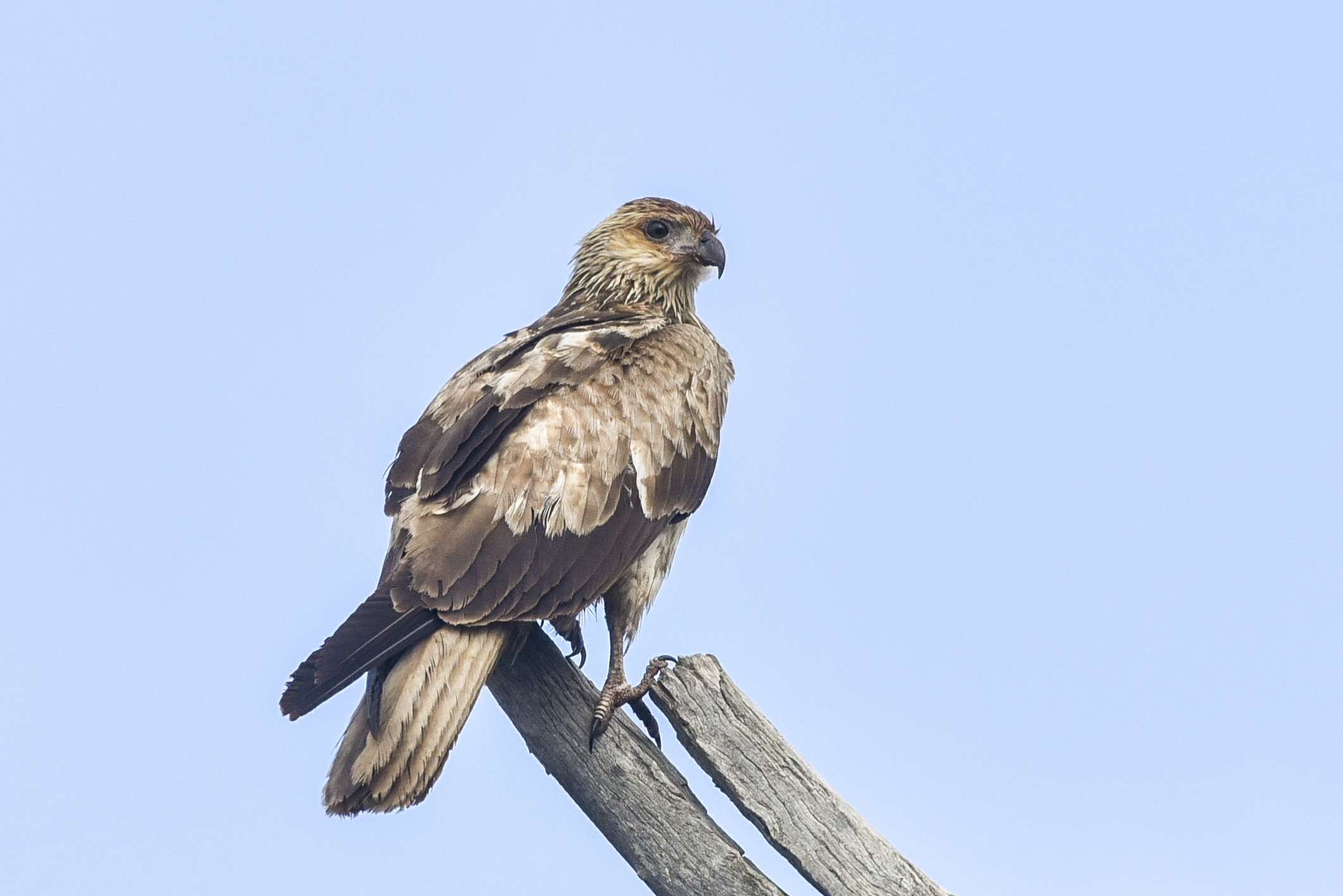 Winton Wetland - Whistling Kite by Ruth Ault
Male and female Whistling Kite pairs stay together for life. Prior to breeding season (July-December), both parents build their bulky nesting platform of sticks in a tall tree. Often the nest is reused and can become quite large as more sticks and material are added each year.
Two eggs are normally laid, with both parents undertaking incubation duty. Both parents will continue to feed the chicks up to eight weeks after they have fledged which is a testament to their conscientious parenting skills.
“The BirdLife Australia Aussie Bird Count is on from 19-25 October where participants spend 20 minutes counting and recording the birds they see, whether this be in a backyard, schoolyard, local park or even birds just perching on a balcony,” Ms Mentiplay-Smith said.
“Last year, 64,000 people counted more than five million birds. You don’t need to be a bird expert to participate. Birdlife Australia have a great video that instructs people how the count works. The event is designed for all ages and skill levels and the results are important contributions to citizen science.”
The data collected helps BirdLife Australia understand local bird populations and trends, contributing to conservation efforts and there’s the chance to win prizes: Aussie Bird Count 2026 - BirdLife Australia
Year of the Raptor is supported by the Victorian Government through the Our Catchments Our Communities stewardship program.